
When dealing with legal or administrative matters across countries, you may come across the term apostille. For many international clients buying property or handling legal affairs in Spain, understanding what an apostille is — and when it is required — is essential.
Without it, official documents issued abroad may not be legally recognized in Spain.
What is an Apostille?
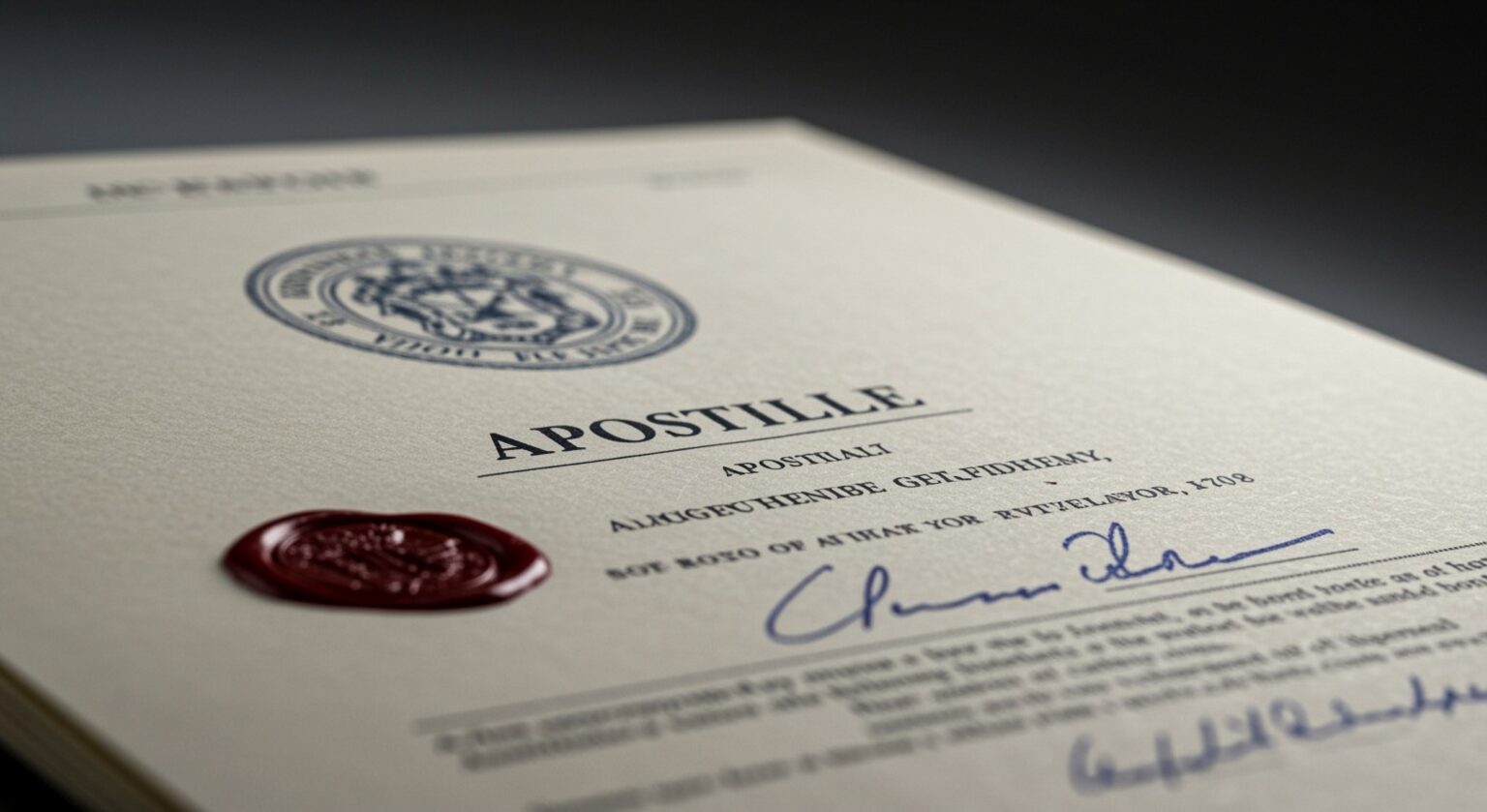
An apostille is an official certification that confirms the authenticity of a public document so that it can be legally used in another country.
It is issued under the rules of the Hague Apostille Convention, which simplifies the legalization of documents between member countries.
In practice, an apostille verifies:
-
the signature on the document,
-
the capacity in which the person signed,
-
the authenticity of the seal or stamp.
It does not validate the content itself — only that the document is officially recognized.
When do you need an Apostille in Spain?
If you are a foreign buyer or investor, you may need an apostille in Spain for various legal and administrative procedures.
Common situations include:
-
Buying property in Spain
-
Granting a power of attorney
-
Opening a Spanish bank account
-
Registering legal or corporate documents
-
Handling inheritance or family matters
For example, if you sign a power of attorney in your home country but want it to be valid in Spain, it must usually be apostilled.
Which documents typically require an Apostille?
The most common documents requiring an apostille include:
-
Birth and marriage certificates
-
Notarial deeds and powers of attorney
-
Court decisions and official rulings
-
Company registration documents
-
Academic certificates (in some cases)
Each document must be apostilled in the country where it was issued before it can be used in Spain.
Where do you get an Apostille?
An apostille is issued by a competent authority in the country where the document originates.
This may include:
-
a Ministry of Justice,
-
a designated government office,
-
or a court or notary authority, depending on the country.
The process and timelines vary, but in most cases it can be completed within a few days.
Apostille vs. Legalization – what’s the difference?
If both countries are part of the Hague Apostille Convention, an apostille is sufficient.
However, if a country is not a member, a more complex process called legalization may be required, involving additional certifications from embassies or consulates.
Why Apostille matters in Real Estate transactions
In Spanish property transactions, the apostille is often required to ensure that documents signed abroad are fully valid under Spanish law.
Without it:
-
documents may be rejected by notaries,
-
transactions may be delayed,
-
legal actions may become invalid.
This is particularly important when buyers are not physically present in Spain and rely on documents signed abroad.
How The Lawyers can help you?
Although obtaining an apostille may seem straightforward, mistakes in format, timing, or document type can lead to delays.
At The Lawyers, we support international clients by:
-
advising which documents require an apostille,
-
coordinating with notaries and authorities,
-
verifying that documents meet Spanish legal standards,
-
ensuring smooth use of documents in real estate transactions.
Ensure Your documents are legally valid in Spain
When dealing with cross-border legal matters, details matter. An apostille is a small step — but a critical one.
If you are planning to buy property in Spain or handle legal matters from abroad, make sure your documents are properly prepared and recognized.
📩 Contact The Lawyers to ensure your documentation is fully compliant with Spanish legal requirements.
⚖️ The Lawyers – Real People. Real Law. Real Estate.